02
Challenge
How might we unify two distinct products and user bases into a single trading experience while preserving the trust of existing customers and raising the standard of advanced trading within the Ripio app?
To achieve this, the project was divided into three strategic phases, each with its own priorities.
Phase 1 Rebranding: Transform BitcoinTrade into Ripio Trade by introducing Ripio's visual identity, updating the color palette, and redesigning the dashboard. The goal was to make the product feel natively part of the Ripio ecosystem even before the technical integration between the two platforms began.
Phase 2 Platform Integration: Merge both user bases by implementing account matching for duplicate users, Single Sign-On (SSO), user communication flows, and support for new order types. Although the products still operated as separate platforms behind the scenes, users experienced them as a single, unified product.
Phase 3 Web Integration: With the user migration complete, the focus shifted to integrating the advanced trading experience directly into Ripio's web platform. Trade capabilities were gradually migrated feature by feature until the standalone exchange was no longer required, creating a fully integrated ecosystem.
04
Personas
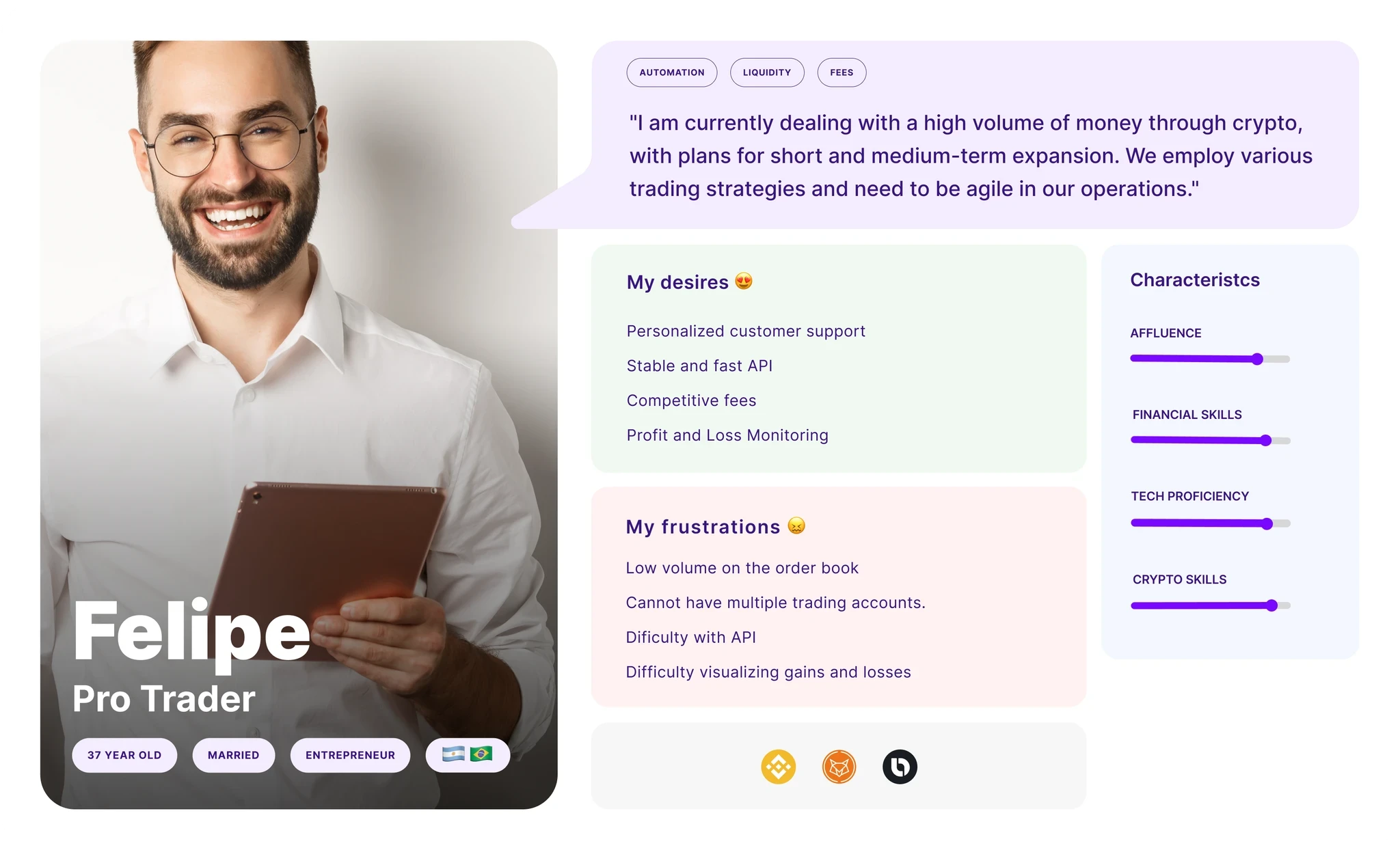
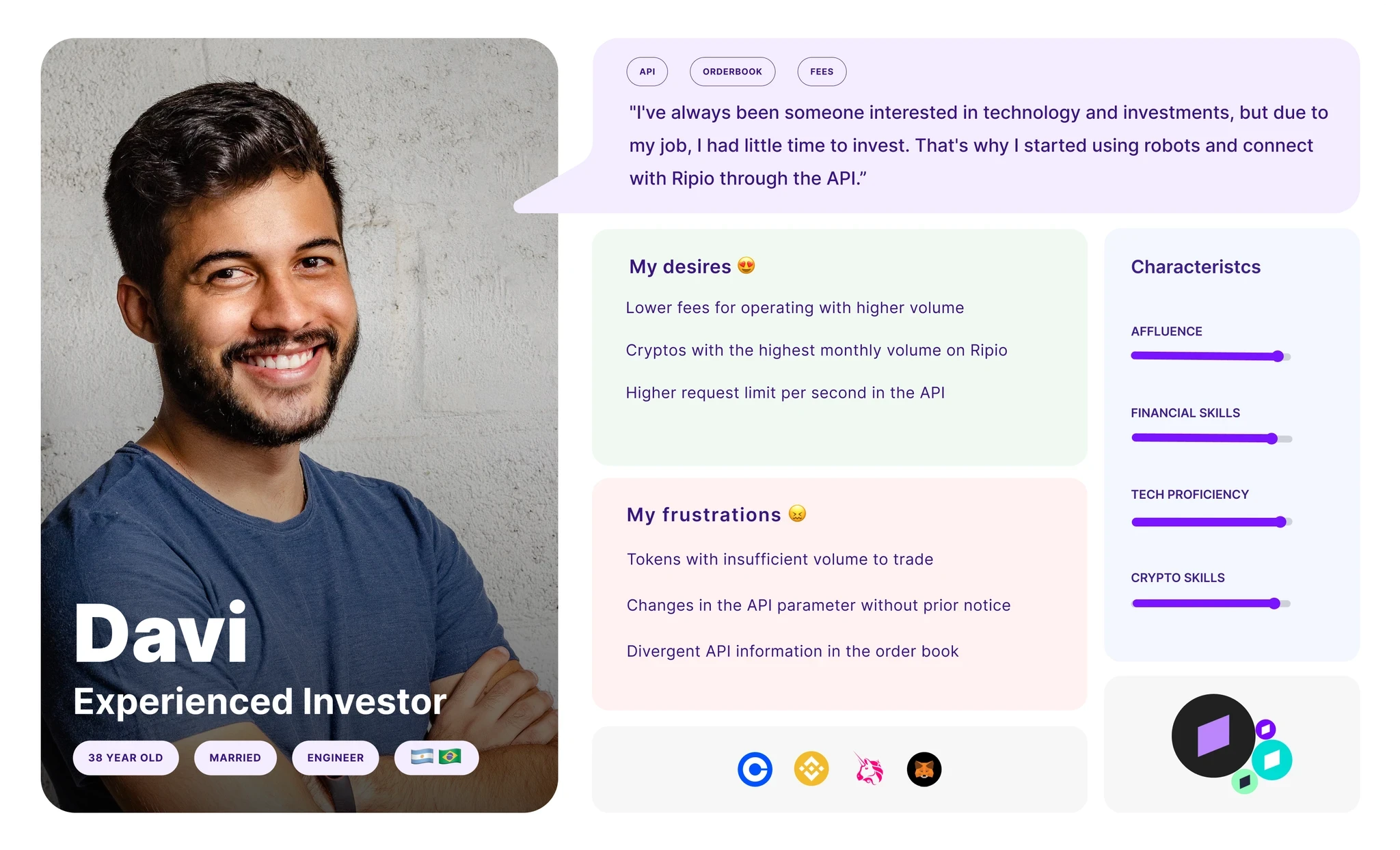
Before the acquisition, Ripio did not have an advanced trading platform, which meant missing two important user segments in the cryptocurrency market: Traders and Advanced Investors. Mapping these personas helped guide design decisions throughout the project, especially during Phases 2 and 3.
05
User Research
We conducted user research directly with BitcoinTrade customers, a more experienced group of traders with specific expectations around platform performance, advanced order types, and reliability.
Following a quantitative survey with more than 1.300 BitcoinTrade customers, we identified that users who considered themselves advanced traders behaved differently from intermediate and beginner users: they relied much more heavily on the web platform for trading.
Based on these findings, we conducted a qualitative research study to gain a deeper understanding of their motivations, behaviors, and expectations, as well as to evaluate how BitcoinTrade's products and features aligned with the needs of advanced users.
06
Research Challenges
At the beginning of the project, we didn't have a deep understanding of how advanced traders used BitcoinTrade. This represented both a knowledge gap and an opportunity to better understand their behaviors and needs, ensuring we wouldn't create gaps between what they expected and what we were delivering within the Ripio ecosystem.
Another challenge was that trust in the Ripio brand was still being established among this audience. Many users perceived BitcoinTrade as a more robust and reliable platform for advanced trading, so the transition had to be carefully designed to avoid creating the impression of a downgrade.
Feature parity was also a critical concern. Advanced traders closely compared the capabilities of both platforms, and any perceived loss of functionality could lead to resistance during the migration.
07
API Integration for Ripio Users
In addition to mapping the user flows for each migration scenario, I also led the mapping of how the API should onboard users coming directly from the Ripio platform. The goal was to ensure that the Trade experience worked just as seamlessly for users who had never had a BitcoinTrade account.
This involved collaborating closely with the engineering team to identify which data, account attributes, and permissions needed to be created or adapted so that Ripio-native users could access and use Trade without friction.
08
Bringing the Trade Ecosystem into Ripio
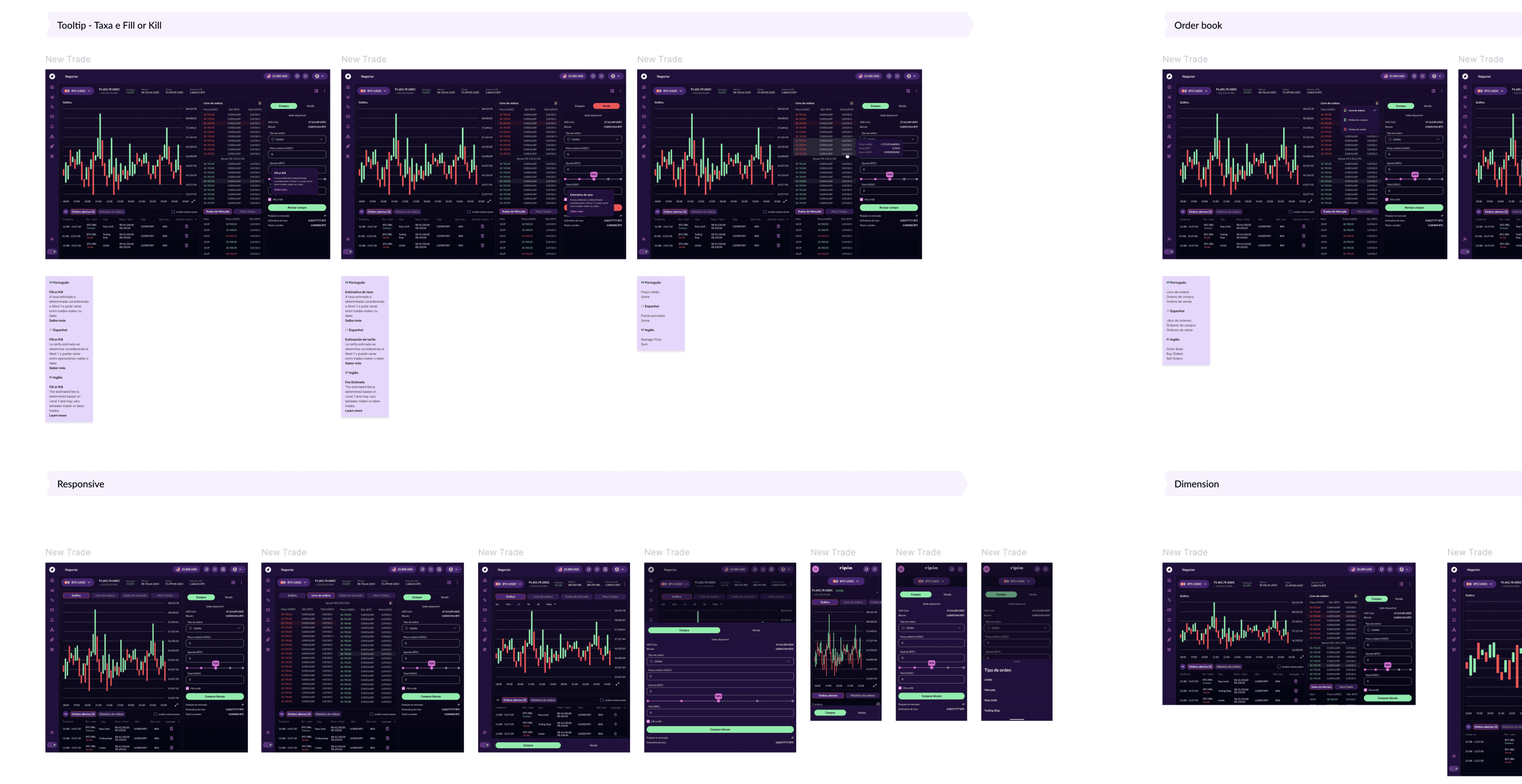
With both user bases integrated and the brand unified, the team's priority shifted to making Ripio's web platform the primary point of contact for customers. From that point on, the Trade ecosystem was gradually incorporated into the Ripio web experience, feature by feature, rather than through a single, large-scale migration.
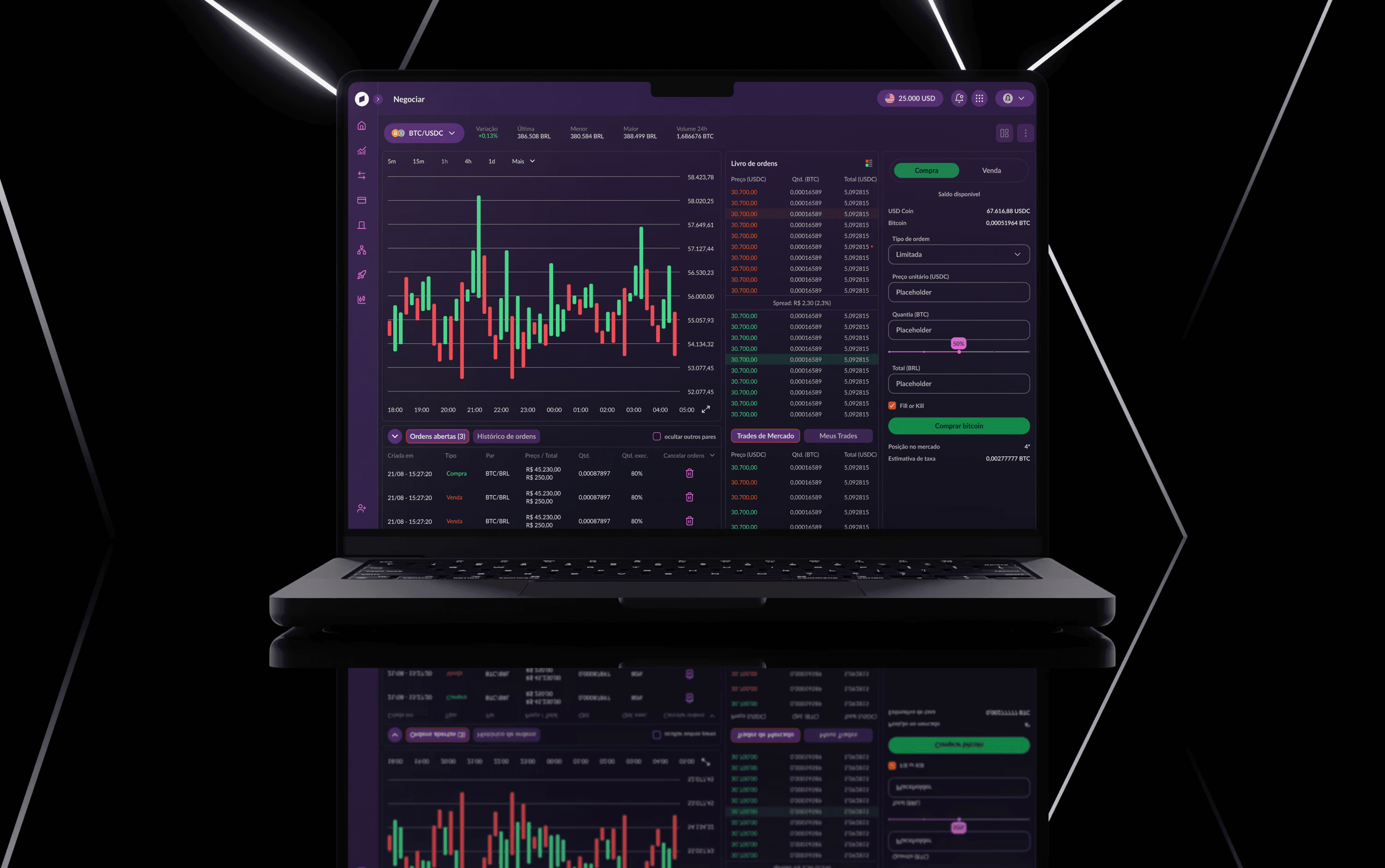
As a result of this incremental approach, the advanced trading exchange, which had previously existed as a standalone product, became a native part of the Ripio platform, eliminating the need to maintain two separate products.
09
Results
Native Trade ecosystem within Ripio Web, built incrementally and eliminating the fragmentation between two separate products
Adoption of Limit Orders by Ripio users. A trading feature that was previously unavailable in the Ripio ecosystem became widely adopted by the original Ripio user base after the integration, expanding the trading capabilities available to customers who had never had access to advanced order types.
03
Platform
Integration
I led the user account mapping initiative for customers who already had accounts on both platforms, working closely with Product and Data stakeholders to understand the size and characteristics of the overlapping user base. Based on these insights, I mapped the end-to-end user journeys for each scenario and defined how the Single Sign-On (SSO) experience should behave in every case.
The goal was to identify, for each scenario:
How many users had accounts on both platforms.
How each user profile (Ripio only, BitcoinTrade only, or both) should experience the transition.
What communication was needed to minimize friction, build trust, and guide users through the SSO migration.
01
Summary
In 2021, Ripio acquired BitcoinTrade as part of its strategy to expand its presence among advanced cryptocurrency traders in Brazil and strengthen its position across Latin America. The design challenge was to unify two customer bases, two products, and two visual identities into a single, cohesive trading experience, while preserving the trust of users who actively relied on either platform.
Ripio Trade: Unifying Exchanges into a Single Experience
Project: 2022 - 2024 Team: 2 Product Designers, 1 UX Research, 1 PM e 5 Devs
As the Product Designer, I led the interface redesign, collaborated with the UX Researcher to conduct user research, worked closely with project stakeholders to align business and user needs, and partnered with the engineering team throughout implementation to ensure a high-quality final product.

01
Summary
In 2021, Ripio acquired BitcoinTrade as part of its strategy to expand its presence among advanced cryptocurrency traders in Brazil and strengthen its position across Latin America. The design challenge was to unify two customer bases, two products, and two visual identities into a single, cohesive trading experience, while preserving the trust of users who actively relied on either platform.
02
Challenge
How might we unify two distinct products and user bases into a single trading experience while preserving the trust of existing customers and raising the standard of advanced trading within the Ripio app?
To achieve this, the project was divided into three strategic phases, each with its own priorities.
Phase 1 Rebranding: Transform BitcoinTrade into Ripio Trade by introducing Ripio's visual identity, updating the color palette, and redesigning the dashboard. The goal was to make the product feel natively part of the Ripio ecosystem even before the technical integration between the two platforms began.
Phase 2 Platform Integration: Merge both user bases by implementing account matching for duplicate users, Single Sign-On (SSO), user communication flows, and support for new order types. Although the products still operated as separate platforms behind the scenes, users experienced them as a single, unified product.
Phase 3 Web Integration: With the user migration complete, the focus shifted to integrating the advanced trading experience directly into Ripio's web platform. Trade capabilities were gradually migrated feature by feature until the standalone exchange was no longer required, creating a fully integrated ecosystem.

03
Platform
Integration
I led the user account mapping initiative for customers who already had accounts on both platforms, working closely with Product and Data stakeholders to understand the size and characteristics of the overlapping user base. Based on these insights, I mapped the end-to-end user journeys for each scenario and defined how the Single Sign-On (SSO) experience should behave in every case.
The goal was to identify, for each scenario:
How many users had accounts on both platforms.
How each user profile (Ripio only, BitcoinTrade only, or both) should experience the transition.
What communication was needed to minimize friction, build trust, and guide users through the SSO migration.

04
Personas
Before the acquisition, Ripio did not have an advanced trading platform, which meant missing two important user segments in the cryptocurrency market: Traders and Advanced Investors. Mapping these personas helped guide design decisions throughout the project, especially during Phases 2 and 3.
05
User Research
We conducted user research directly with BitcoinTrade customers, a more experienced group of traders with specific expectations around platform performance, advanced order types, and reliability.
Following a quantitative survey with more than 1.300 BitcoinTrade customers, we identified that users who considered themselves advanced traders behaved differently from intermediate and beginner users: they relied much more heavily on the web platform for trading.
Based on these findings, we conducted a qualitative research study to gain a deeper understanding of their motivations, behaviors, and expectations, as well as to evaluate how BitcoinTrade's products and features aligned with the needs of advanced users.
06
Research Challenges
At the beginning of the project, we didn't have a deep understanding of how advanced traders used BitcoinTrade. This represented both a knowledge gap and an opportunity to better understand their behaviors and needs, ensuring we wouldn't create gaps between what they expected and what we were delivering within the Ripio ecosystem.
Another challenge was that trust in the Ripio brand was still being established among this audience. Many users perceived BitcoinTrade as a more robust and reliable platform for advanced trading, so the transition had to be carefully designed to avoid creating the impression of a downgrade.
Feature parity was also a critical concern. Advanced traders closely compared the capabilities of both platforms, and any perceived loss of functionality could lead to resistance during the migration.

07
API Integration for Ripio Users
In addition to mapping the user flows for each migration scenario, I also led the mapping of how the API should onboard users coming directly from the Ripio platform. The goal was to ensure that the Trade experience worked just as seamlessly for users who had never had a BitcoinTrade account.
This involved collaborating closely with the engineering team to identify which data, account attributes, and permissions needed to be created or adapted so that Ripio-native users could access and use Trade without friction.


08
Bringing the Trade Ecosystem into Ripio
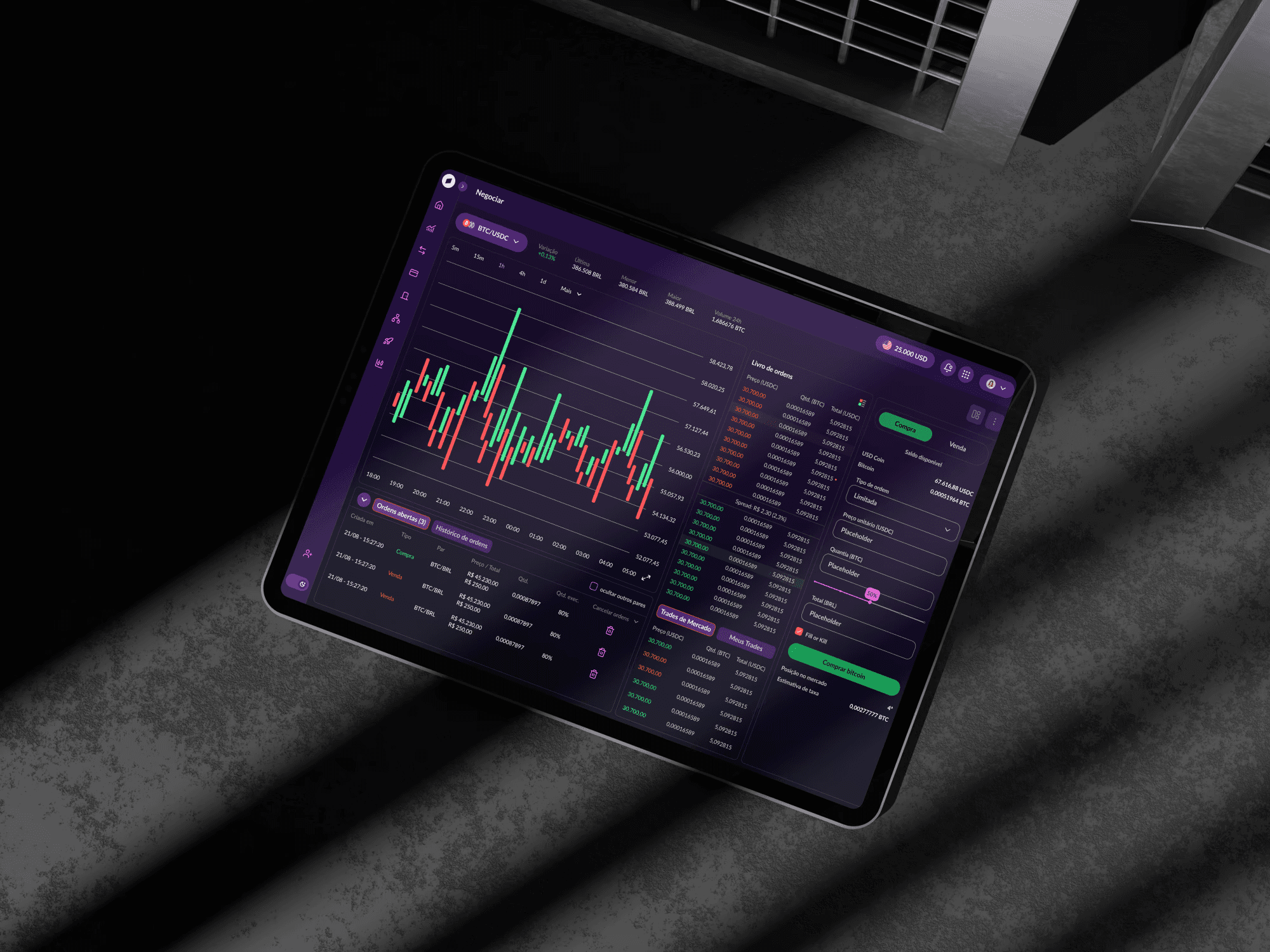
With both user bases integrated and the brand unified, the team's priority shifted to making Ripio's web platform the primary point of contact for customers. From that point on, the Trade ecosystem was gradually incorporated into the Ripio web experience, feature by feature, rather than through a single, large-scale migration.
As a result of this incremental approach, the advanced trading exchange, which had previously existed as a standalone product, became a native part of the Ripio platform, eliminating the need to maintain two separate products.

09
Results
Native Trade ecosystem within Ripio Web, built incrementally and eliminating the fragmentation between two separate products.
Adoption of Limit Orders by Ripio users. A trading feature that was previously unavailable in the Ripio ecosystem became widely adopted by the original Ripio user base after the integration, expanding the trading capabilities available to customers who had never had access to advanced order types.
Native Trade ecosystem within Ripio Web, built incrementally and eliminating the fragmentation between two separate products
Adoption of Limit Orders by Ripio users. A trading feature that was previously unavailable in the Ripio ecosystem became widely adopted by the original Ripio user base after the integration, expanding the trading capabilities available to customers who had never had access to advanced order types.


10
Key Learnings
This project shaped the way I think about design to this day. One of the biggest lessons I learned was that rebranding and technical integration are two different challenges, and trying to solve both at the same time would have been a mistake. Prioritizing brand perception before completing the technical integration required patience from the entire team, including myself. I learned to trust the process, even when the full outcome would only become visible after several releases.
Working with advanced traders while designing within a design system originally created for a broader audience also taught me an important lesson that I still apply today: brand consistency and functional depth don't have to compete. It's possible to balance both without sacrificing either one, as long as you truly listen to the people using the product.
Perhaps the most impactful takeaway was realizing that design decisions in financial products carry real emotional weight. It's never just about the interface, it's about trust, people's money, and their sense of security when managing their own assets. This fundamentally changed how I approach UX decisions in fintech products.
Finally, this project reinforced that my role as a Product Designer extends far beyond Figma. Moving between user research, stakeholder management, and engineering collaboration showed me that the user experience remains my guiding principle, even when I'm discussing priorities with another team or validating an implementation with engineers. To me, that's what design is: keeping the user at the center, even when the conversation isn't about the interface.
10
Key Learnings
This project shaped the way I think about design to this day. One of the biggest lessons I learned was that rebranding and technical integration are two different challenges, and trying to solve both at the same time would have been a mistake. Prioritizing brand perception before completing the technical integration required patience from the entire team, including myself. I learned to trust the process, even when the full outcome would only become visible after several releases.
Working with advanced traders while designing within a design system originally created for a broader audience also taught me an important lesson that I still apply today: brand consistency and functional depth don't have to compete. It's possible to balance both without sacrificing either one, as long as you truly listen to the people using the product.
Perhaps the most impactful takeaway was realizing that design decisions in financial products carry real emotional weight. It's never just about the interface, it's about trust, people's money, and their sense of security when managing their own assets. This fundamentally changed how I approach UX decisions in fintech products.
Finally, this project reinforced that my role as a Product Designer extends far beyond Figma. Moving between user research, stakeholder management, and engineering collaboration showed me that the user experience remains my guiding principle, even when I'm discussing priorities with another team or validating an implementation with engineers. To me, that's what design is: keeping the user at the center, even when the conversation isn't about the interface.